Common Reasons Your Roof May Leak After Repairs in Weatherford
Your roof still leaking after a repair usually means the real entry point was never found. Here are the 7 causes we see most in Weatherford, Texas.
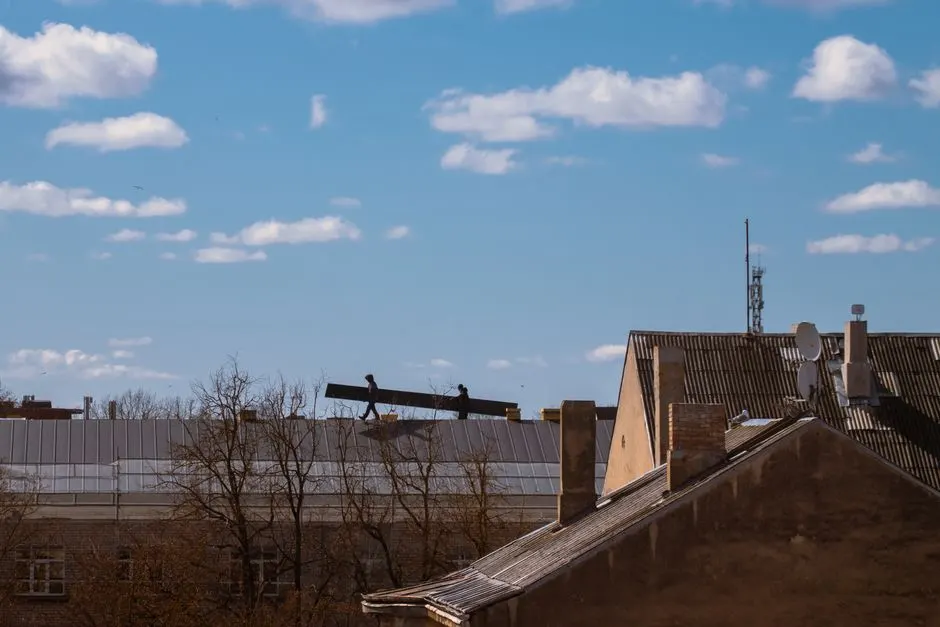
A roof that still leaks after a repair almost always means the original repair addressed a symptom, not the actual entry point. Water travels along decking, rafters, and underlayment before it drips through your ceiling, so the spot where you see the stain is rarely where the roof is failing. In Weatherford, that gap between the visible leak and the real one is the single biggest reason homeowners call us back for a second opinion.
Below we walk through the seven causes we find most often on post-repair leaks in Weatherford, what each one costs to correct in 2026, and how to tell whether your repair was done right the first time.
Why Is My Roof Still Leaking After a Repair in Weatherford TX?
Your roof is still leaking after a repair in Weatherford TX because the repair sealed the wrong area, the flashing around a penetration was not resealed, or the underlying damage was never addressed. A patch on a shingle field will not stop water that is entering through a cracked pipe boot 6 feet away.
We see this constantly on homes built between 1975 and 2005 across Parker County, where original pipe boots, step flashing, and valley metal are now past their service life. A roofer patches the visible damage, collects payment, and the next hard rain puts water right back into the same ceiling.
The Real Leak Was Never Found
Water on a roof does not fall straight down. It follows the path of least resistance - along a rafter, across a sheet of underlayment, through a gap in the decking - and it can travel 10 to 15 feet horizontally before it shows up inside your home. That is why a ceiling stain in your hallway often traces back to a roof penetration above your garage.
When a repair tech skips a proper water test, they end up fixing the first thing that looks damaged instead of the thing that is actually leaking. A real diagnosis takes 30 to 60 minutes: we spray water in controlled sections, watch from inside the attic, and follow the moisture back to its source before we touch a shingle.
If you have already paid for one repair and the leak came back within 30 days, that is a diagnostic failure, not bad luck. For homeowners dealing with this, our roof leak repair Weatherford TX service starts with a full leak trace, not a guess.
Flashing Failures That Get Missed
Flashing is the metal that seals the joints where your roof meets a chimney, wall, skylight, vent pipe, or valley. It is the number one source of post-repair leaks we see in Weatherford, and it is the area most often skipped during a quick fix.
Three flashing problems show up again and again:
- Pipe boot cracks. The rubber collar around a plumbing vent dries out and splits after 10 to 15 years of Texas sun. It looks fine from the ground and fails completely in a downpour.
- Step flashing pulled loose. On homes near Roofing in Historic Downtown, we regularly find step flashing that was nailed through instead of woven into the shingle courses, which opens a gap every time the wall shifts.
- Valley metal rusted through. Original galvanized valley metal from the 1980s and 1990s rusts from the underside out. A shingle patch over a rusted valley will leak again within one rainy season.
Proper flashing repair means removing the old metal, resealing the joint with new flashing and butyl tape, and re-laying the shingle courses so water sheds over the top - not behind it. Done right, it lasts 20 to 30 years. Done wrong, it lasts one storm.
Shingle Repairs That Don't Seal
A shingle repair that does not seal usually comes down to three things: the wrong shingle, the wrong nail pattern, or no sealant on the tab. Asphalt shingles need to be nailed 6 inches apart in the manufacturer's pattern, with the nail heads covered by the course above. Nail too high and the shingle lifts. Nail too low and the head is exposed to the weather.
We also see repairs where a new shingle was laid over a damaged one instead of replacing it. That works for about six months. Then the old shingle underneath curls, the new one loses its seal, and water gets in at the same spot you paid to fix.
If your leak showed up after a shingle repair, the fix is usually straightforward - pull the bad shingles, replace the underlayment if it is saturated, and re-nail and seal the new course. Our shingle repair Weatherford TX work includes a full course inspection, not just the damaged tab.
Patch Repairs That Trap Water Instead of Stopping It
A patch that traps water is worse than no patch at all. When a roofer smears roof cement or mastic over a leak without fixing the underlying tear, the cement seals the surface but leaves the saturated underlayment and decking underneath. Water keeps entering through the original gap, gets trapped under the patch, and rots the decking from the top down.
We pull patches like this off Weatherford roofs every month. Underneath, the plywood is soft, the underlayment is black, and the leak has spread 3 to 4 feet beyond the original damage. What should have been a $400 patch turns into a $1,800 decking replacement.
Real patch work means cutting back to solid material, replacing the damaged underlayment, and sealing the new patch into the surrounding shingle courses. If you are not sure whether your last patch was done right, our roof patch repair Weatherford TX service can tell you in about 20 minutes.
What Causes Roof Leaks After Repair in Weatherford
Roof leaks after repair in Weatherford trace back to four structural causes: missed entry points, failed flashing, improper shingle installation, and hidden decking damage. Each one has a different fix and a different price tag.
Here is what we typically see on a post-repair leak call in 2026:
- Missed entry point: $250 to $500 to re-diagnose and repair correctly.
- Failed flashing: $350 to $900 depending on whether it is a pipe boot, step flashing, or valley metal.
- Improper shingle repair: $400 to $1,200 to pull and redo the affected course.
- Hidden decking damage: $1,200 to $3,500 if plywood or fascia has rotted through.
Weatherford's climate makes all four worse. We average around 36 inches of rain a year, with most of it falling in spring and fall storms that drive water sideways into flashing joints. Summer UV at 100+ degrees bakes pipe boots and sealants until they crack. And the occasional winter freeze - like the stretches we saw in 2021 and again last winter - expands trapped moisture and opens new gaps at seams.
If your home is in one of the older neighborhoods near Roofing in Austin Heights & University Hills, the combination of 40- to 60-year-old roof structures and mature tree cover means debris dams and shaded, slow-drying shingles are common. That is a different repair pattern than what we see on newer builds west of town.
Common Mistakes We See on Post-Repair Leaks
Most post-repair leaks come from a short list of mistakes. If your last roofer made any of these, the leak coming back is not a surprise.
- Repairing from the ground up. If the tech never got on the roof or into the attic, they guessed. Water tests and attic inspection are not optional.
- Using the wrong sealant. Standard caulk fails in 12 to 18 months on a Texas roof. Roofing butyl tape and polyurethane sealant last 10 to 20 years.
- Nailing through flashing. Every nail hole in flashing is a future leak. Flashing gets fastened at the edges, never through the face.
- Skipping the underlayment. Shingles are the first line of defense, not the only one. Worn underlayment under a new shingle will still leak.
- Not checking the attic. Stained decking, wet insulation, and mold tell you how long the leak has been active. Skipping that step means missing half the damage.
One more thing to watch: a repair that only addresses the shingles when the leak is actually coming from a vent, chimney, or skylight. Those are flashing problems, and they need flashing repair Weatherford TX - not another shingle patch.
When to Call a Professional
Call a professional if the leak has come back after a repair, if you see water staining on more than one ceiling, or if the leak shows up during a storm rather than after one. Those three patterns point to a structural issue that a surface fix will not solve.
We handle this every week in Weatherford. Our team traces the leak, shows you what we find in the attic, and fixes the actual entry point - not the stain on your ceiling. If your last repair did not hold, we will tell you why and what it takes to get it right.
Frequently Asked Questions
Why is my roof leaking after repair in Weatherford TX?
Because the repair sealed the wrong spot. Water travels 10 to 15 feet along decking before it drips inside, so the visible leak is rarely the entry point. A proper leak trace with a water test and attic inspection finds the real source in 30 to 60 minutes.
What causes roof leaks after repair in Weatherford?
Four things: missed entry points, failed flashing (especially pipe boots and step flashing), improper shingle nailing, and hidden decking damage. Weatherford's 36 inches of annual rain and 100-degree summers accelerate all four, which is why quick fixes fail within one or two seasons.
How do I stop a roof leak after repair in Weatherford Texas?
Get a second diagnosis before paying for another patch. Ask the roofer to water-test the roof and photograph the attic. If the leak is at flashing or a valley, the fix is metal work, not shingles. Most correct repairs run $350 to $1,200 in 2026.
Who should I call for a roof leak after repair in Weatherford TX?
Call a roofer who does leak diagnostics, not just patch work. Ask whether they water-test and inspect the attic before quoting. If the answer is no, keep calling. A diagnostic-first roofer will find the real leak the first time.
Can a repaired roof still leak in Weatherford?
Yes, and it usually does if the repair only addressed surface damage. A correctly repaired roof should stay dry through the next 5 to 10 years of normal Weatherford weather. If it leaks within 30 days, the original diagnosis was wrong.
Get Help With Roofing in Weatherford
If your roof is still leaking after a repair, we will find the real entry point and fix it - not just patch over the symptom. Call Weatherford Roofing Pros at +1 817-901-5355 and we will get a technician on your roof this week.